content


Celeste woke to a soft knock and the faint rustle of tissue paper. For one second she waited for pain in her ribs, the bite of plastic on her wrists, the hum of a lonely bulb. None of it was there. Her ceiling was white plaster with a small crack shaped like a wing. It was the ceiling from three years earlier.
“Miss Celeste? The dress arrived,” a maid called from the door.
Celeste sat up. “Come in. Be careful.”
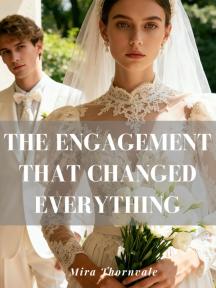
Two maids she remembered—faces younger, eyes bright—brought in a long white box and set it on the ottoman. They lifted the lid and folded back layers of tissue. Silk caught the light. The hand‑stitched bodice, the slim belt, the skirt that fell in a clean line—it was exactly as it had been on the morning of her engagement ceremony.
“It’s perfect,” one maid said.
Celeste stood and kept a little distance. “Hang it by the mirror.” She did not want it close to her skin yet.
On the vanity, a phone buzzed with a ringtone she had not used in years. EMILY: I’m downstairs in 30. Don’t panic. You’re already gorgeous.
Celeste checked the clock. It matched the old memory: early morning, winter light, quiet house. She went to the full‑length mirror. The woman who looked back had smooth skin, clear eyes, no bruises. The girl from before the factory stood in one piece.
She tested the edges of her memory. In the other life, she had put on this dress, walked into a hall filled with lilies and chandeliers, and smiled for cameras because people wanted a picture. Halfway through the music, Blair had entered wearing the same dress. The hush came first, then the murmur, then the small blur of phones rising to record. Celeste had argued in the open and lost the room. Later she had accepted apologies and then a marriage that felt cold around the edges. Ten years later, men in masks had burst through the doors at the company’s celebration. She had reached for Marcus and named the exit. He had turned toward Blair. Rope had cut her wrists. A hood had pulled the air thin. The factory had finished what the party started.
Today she was here again. Breathing. Unmarked. Early.
She touched the glass and watched her reflection blur and settle. “I am here,” she said in a low voice. “I will not repeat the same path.” She kept her tone level. Talking aloud helped fix the facts in place.
The maids, done with the dress, waited by the door. Celeste thanked them and asked for coffee and toast. When they left, the room grew quiet again. She felt for her pulse and found it steady.
The phone buzzed. EMILY: Simple earrings or the snowflake ones? And yes, I have backup coffee.
Celeste typed: Simple. Come up when you arrive.
She walked back to the gown. Up close she could see the neat stitches that only a careful hand leaves. Work had gone into this: the seamstress, her mother once, her father’s money, her own hours of fittings and smiles. She lifted the skirt a few inches and felt the weight. It was light, but in the other life it had moved like armor. Today it would be a tool, nothing more.
She checked the vanity. Powder. Pins. A small velvet box with earrings that glittered like frost. She closed it and set out the plain drops instead. She left the veil in its tissue. She wanted her eyes clear and uncovered.
The corridor outside was the same. The old rug’s pattern ran steady underfoot. A winter bird called once from a branch beyond the window. The ordinary sounds kept the room honest. She opened the window a finger’s width and let in a thin slice of cold air. It helped.
A quiet knock. A maid leaned in. “Mr. Rivers is here. He asks if you will see him.”
Marcus—three years younger, smooth jaw, easy charm. In the other life he had asked a favor that became a wedge. In this life she would not give him that space.
“Please ask him to wait in the west parlor,” she said. “Ten minutes.”
When the door closed, she moved with a clear list in mind. Wash face. Brush hair. Choose a simple dress for now, not the engagement gown. Low heels. Warm shawl. She kept her hands steady. She did not rush. She named what she was doing in short words. Naming calmed the part of her mind that wanted to run ahead to scenes she did not plan to play.
She paused at the mirror once more. This time she looked past the surface and asked herself for a rule simple enough to carry anywhere. She found it quickly: love that asks her to make herself small was not love she would accept. She kept the sentence short on purpose. Short sentences hold under pressure.
The hallway clock chimed. She sent two texts. To EMILY: Coffee please. No special guests today. To her father: I need ten minutes later this morning to discuss an old proposal.
She did not text Marcus. She did not rehearse lines. She worked the plan in her head in clean steps: see him, make the answer clear, end the meeting soon. She put the ring box the maids had left on a table back in its drawer. She did not want to look at it while she talked to him.
On the way to the parlor, she passed the front windows. A florist’s van stood in the drive. Men carried buckets of lilies through the door to the ballroom. The house moved in a calm, practiced way toward an event. Celeste studied the scene like a floor plan: rooms, doors, timing, people. It helped her keep emotion in a scale she could use.
In the parlor, Marcus stood and smiled. He looked exactly as she remembered him at twenty‑nine—handsome, composed, aware of his best angles. He took a step forward. “Celeste,” he said softly. “You look—beautiful.”
She sat and nodded. “What do you need?”
He blinked at the directness, then found his rhythm. He talked about the aisle and the music and their future. He reached for nostalgia: the picnic, the rain, a willow tree. He let silence sit between phrases, the way he did when he wanted the other person to fill it for him.
Celeste let the silence pass unfilled. “What do you need?” she said again.
He exhaled and smiled with care. “Blair heard about the ceremony. She wants to attend and offer her good wishes. Quietly. No fuss.” He lifted his hands. “Only if you’re comfortable. It’s your day.”
In the other life she had said yes and paid for it in public. Today she said, “No.”
He hesitated, then tried another route. “She understands last month was messy. She wants to apologize.”
“No,” Celeste said. Her voice stayed even. “She will not attend.”
He worked through surprise to patience. “You’re worried about appearances. Let me handle optics. If she comes, people stop talking. It kills the story.”
“It writes a worse one,” she said. “The bride as a prop.”
He frowned. “You’re making a small thing big.”
“It is big. My answer is no.”
He pressed his mouth into a line that used to move her to bargain. It did not move her now. “If you insist,” he said at last, “I may have to cancel the ceremony.”
Celeste met his eyes. “You should do what you need to do.”
He relaxed, hearing what he wanted. “We can reschedule,” he said. “We’ll talk tonight.”
She stood. “Thank you for coming. I have work to do.”
Outside the parlor, she did not sag. She walked at her usual pace back to her room. She wrote her father again: Confirming I need a few minutes. It concerns the Kingsley option.
His reply came fast: Come at ten. He did not add questions. He did not tell her what to think. The quick, simple answer was a gift.
She set the dress box back on the chair and left it closed. She set the earrings on the vanity like two quiet points. She checked the clock again. She had time before Emily arrived, before ten, before the house filled with guests and music and the day took on its own speed.
She stood at the window and watched the street. A driver called to his horses. A cart rattled over a seam in the road. The sky was a flat winter gray with a lighter edge to the east. She breathed in through her nose and out through her mouth until the breathing found a smooth line. The ordinary world held. So did she.
Her phone buzzed. EMILY: Lobby. Coffee in hand. Also a spare spine if needed.
Celeste smiled and typed: Use the front stairs. West parlor after I’m done.
She closed the window and smoothed the bedspread once. She did small tasks with care. The right small tasks build a habit of control. She tightened the belt on her robe and, for the first time that morning, touched the dress’s fabric with the back of her fingers. It was cool and clean. She let her hand drop.
A knock came, light and friendly. “Celeste?” Emily’s voice, warm and familiar. “Open up. I bring caffeine and unreasonable optimism.”
“Coming,” Celeste said. Her voice sounded calm. It was calm.
She crossed the room, set her hand on the knob, and paused. She did not think about the factory. She did not think about the phone line that had gone dead in her hand. She did not think about the worst version of love, the one that asks a woman to wait just a little longer for the man to choose her. She thought about today’s rule and about the next clean step.
The memory let go of her like a tide easing back from the shore.