content


The air in the parlour was thick with whispers and incense, the scent of burning herbs doing little to mask the tension that clung to the walls like cobwebs. Outside, the rhythmic chants of the funeral procession echoed faintly, carried by the wind that rustled through the village like a warning.
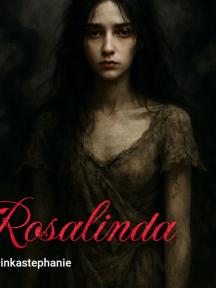
Rosalinda stood by the window, her face half-shadowed, watching the able-bodied men of the community carry away the corpse of her so-called father. Their footsteps were heavy, deliberate, as if they knew they were bearing more than just a body—they were carrying the weight of suspicion.
Women were forbidden from attending funerals. Instead, they gathered in the parlour, cloaked in mourning garments and judgment. They surrounded Sara, Rosalinda’s mother, who sat trembling on the edge of the couch, her eyes red and swollen from hours of weeping.
"I'm beginning to believe she is the cursed one," whispered a villager, leaning into her companion.
The other woman’s eyes narrowed. "Oh? When Sara’s son died, she claimed he fell from a tree. Now that you mention it... perhaps it was a lie. Perhaps she did it."
"Sara had just lost her son," the first woman murmured. "She couldn’t bear to lose her other child. It’s understandable she covered for her."
Rosalinda didn’t flinch. She had heard it all before. The murmurs. The sideways glances. The way people looked at her as if tragedy followed her like a shadow.
"Oh dear Sara," sighed an elderly woman, her voice heavy with pity. "You lost your husband first, then your son, and now even death has taken your second husband."
Sara sobbed harder, her body wracked with grief—or something that resembled it. Her voice cracked as she whispered, "I am just unlucky."
The elderly woman’s gaze sharpened. "Are you? What will you tell the council? Surely, you must explain his death."
Sara hesitated. Her fingers trembled as she wiped her tears with the back of her hand. Then, slowly, she turned her head—just enough to sneak a glance at Rosalinda.
Everyone saw it.
Everyone understood.
The room fell silent, the air thick with realization.
The elderly woman’s eyes narrowed as she stared at the girl in the shadows. "Do not lie to us, Sara. We are your people. Mothers like you."
Rosalinda stepped back, deeper into the gloom, as if the darkness could shield her from the truth.
"My Rosa has suffered for so long," Sara hiccupped.
Gasps rippled through the room.
"Suffered?" one woman dared to ask.
Sara nodded frantically. "My child was brutally beaten every night. I could do nothing. Torn between being a gracious wife and a loving mother."
"It was her?" someone whispered.
"Please," Sara pleaded, "do not blame her."
"Why not?" snapped another. "She had a choice, Sara. She could have told the women. Or the chief. She committed an unforgivable crime."
Sara rose from the couch, her voice trembling but defiant. "Has she now? Even if she has—are you the chief? What gives you the right to judge?"
Murmurs erupted, a storm of condemnation and confusion.
"Enough!" the elderly woman declared, her voice slicing through the noise. "I will bring this case to the chief. Let him decide."
Agreement followed like thunder.
As evening fell, the women departed in a solemn line. But before the last one left, the community leader paused beside Sara, her voice low and deliberate.
"Pray the gods, the chief, and the priest pardon her. Or you will lose the last family you have."
The elderly woman lingered just long enough to hear those words, her expression unreadable.
Sara understood.
She knew what the leader meant.
_You should not have told the truth. Now your only surviving child will die._
If only she had stayed silent.
The community leader had married the richest man in the village, her influence unquestioned. Yet even with her wealth, she was known for her wisdom—and her warnings.